Culture and heritage
Understand the island, not just photograph it: history, places of worship, traditions and respect for communities.
Understand the island, not just photograph it.
Visits to places of worship and heritage sites, meetings with craftspeople, stories of history and music. Visits are organised with the managers’ consent where necessary, and dress and photo rules are explained before booking.
Two World Heritage Sites
Mauritius has two cultural sites on the UNESCO World Heritage List.
Aapravasi Ghat (Port Louis) — World Heritage 2006
A site linked to the arrival of roughly half a million indentured workers from India between 1834 and 1920.
Le Morne Cultural Landscape — World Heritage 2008
A mountain that sheltered people escaping slavery, now a symbol of the struggle for freedom.
🙏 Visiting respectfully
- Dress modestly in places of worship: shoulders and knees covered.
- Ask before photographing people or ceremonies.
- Remove your shoes where indicated.
- Speak softly and give priority to worshippers.
- Religious festivals (Divali, Maha Shivaratri, Cavadee, Eid, Chinese New Year…) change date every year: check the calendar before planning.
🗣️ Languages
- English is the official language; French and Mauritian Creole are widely spoken.
- A few words of Creole are appreciated: “Bonzour” (hello), “Mersi” (thank you), “Ki manyer?” (how are you?).
- Mo Zil accepts requests in French, English and Spanish; Spanish depends on the host’s availability.
Cultural experiences
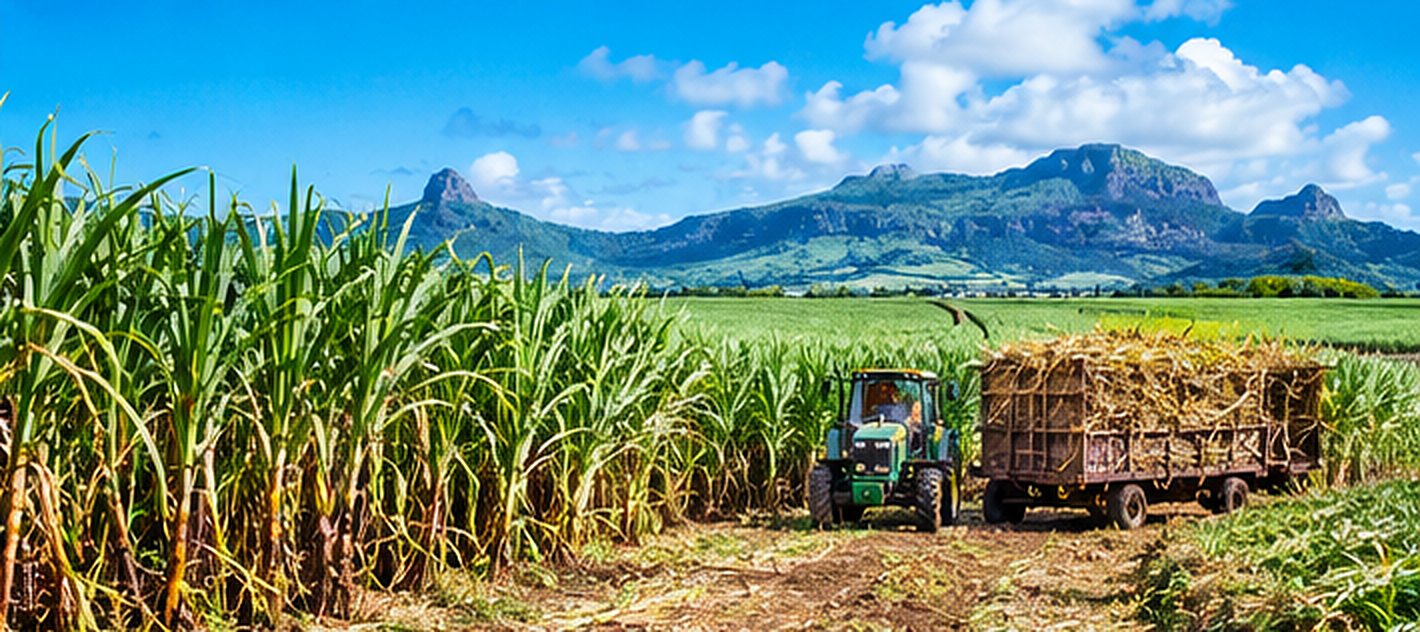
From Rs 700Sugar cane, the island’s memory
Fields, mills and stories: how sugar cane shaped Mauritius.
Places of worship and traditions
Temples, mosques, pagodas and churches: a respectful visit.
* Names, availability, prices and places are demonstration examples, to be checked with each host before publication. Photos are illustrative.